
Empowering Communities with Sustainable Wastewater Solutions
In today's world, the importance of sustainable practices cannot be overstated. As communities grow, so do their needs, especially when it comes to managing resources like water. Wastewater management is a critical aspect of this, and finding sustainable solutions can empower communities to thrive.
This blog post will explore how sustainable wastewater solutions can transform communities, improve public health, and protect the environment. We will look at innovative technologies, community involvement, and real-world examples that demonstrate the power of these solutions.
Understanding Wastewater Management
Wastewater management involves the collection, treatment, and disposal of wastewater. This includes water from homes, industries, and stormwater runoff. Proper management is essential to prevent pollution and protect public health.
The Importance of Sustainable Solutions
Sustainable wastewater solutions focus on minimizing environmental impact while maximizing resource recovery. These solutions can help communities:
Reduce pollution
Conserve water
Lower treatment costs
Create jobs
By adopting sustainable practices, communities can ensure a healthier environment for future generations.
Innovative Technologies in Wastewater Treatment
Several innovative technologies are making waves in the field of wastewater treatment. These technologies not only improve efficiency but also promote sustainability.
1. Constructed Wetlands
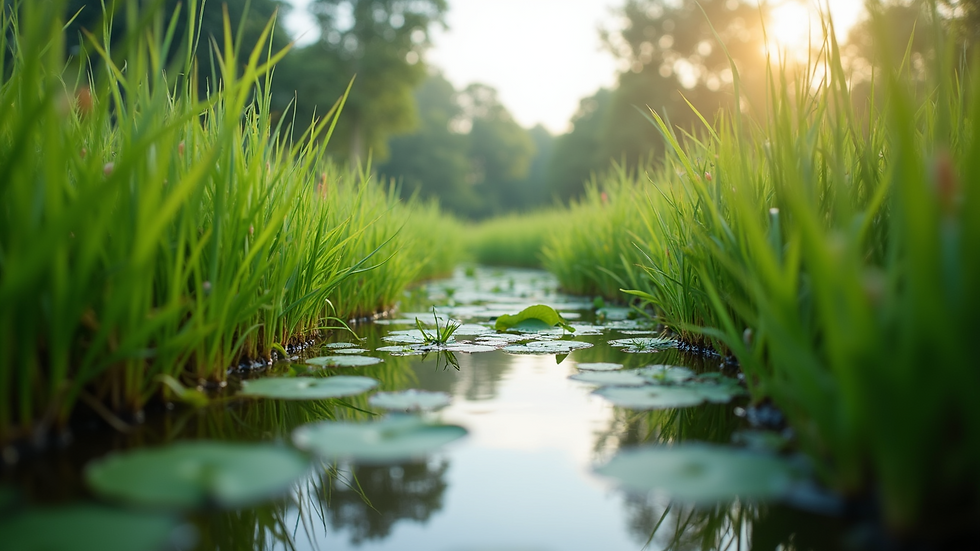
Constructed wetlands are engineered systems that mimic natural wetlands. They use plants and soil to filter and treat wastewater. This method is cost-effective and environmentally friendly.
Benefits:
- Low maintenance
- Natural habitat for wildlife
- Aesthetic value
Communities can use constructed wetlands in parks or green spaces, turning wastewater treatment into a community asset.
2. Membrane Bioreactors
Membrane bioreactors (MBRs) combine biological treatment with membrane filtration. This technology produces high-quality effluent suitable for reuse.
Benefits:
- Compact design
- High removal rates for contaminants
- Potential for water recycling
MBRs are ideal for urban areas where space is limited. They can help communities meet water demands while reducing wastewater discharge.
3. Anaerobic Digestion
Anaerobic digestion is a process that breaks down organic matter in the absence of oxygen. This method produces biogas, which can be used for energy.
Benefits:
- Renewable energy source
- Reduces landfill waste
- Produces nutrient-rich fertilizer
Communities can harness biogas for heating or electricity, creating a circular economy around waste.
Community Involvement in Wastewater Solutions
Engaging the community is crucial for the success of sustainable wastewater solutions. When residents are involved, they are more likely to support and maintain these initiatives.
Education and Awareness
Educating the community about wastewater management is essential. Workshops, seminars, and informational campaigns can help residents understand the importance of sustainable practices.
Key Topics:
- Water conservation
- Pollution prevention
- Benefits of local solutions
By raising awareness, communities can foster a culture of sustainability.
Collaborative Projects
Collaborative projects can bring together residents, local governments, and organizations. These partnerships can lead to innovative solutions tailored to the community's needs.
Examples:
- Community rain gardens
- Local composting programs
- Neighborhood clean-up events
Working together can strengthen community bonds and promote a shared vision for sustainability.
Real-World Examples of Success
Several communities around the world have successfully implemented sustainable wastewater solutions. These examples can inspire others to take action.
1. The City of San Diego, California
San Diego has made significant strides in wastewater recycling. The city’s Pure Water program aims to provide one-third of its water supply through recycled water by 2035.
Key Features:
- Advanced treatment processes
- Public education campaigns
- Community involvement in planning
This initiative not only conserves water but also reduces reliance on imported supplies.
2. The Town of Guelph, Canada
Guelph has implemented a successful biosolids management program. The town converts wastewater sludge into nutrient-rich fertilizer, which is then used in agriculture.
Benefits:
- Reduces landfill waste
- Supports local farmers
- Promotes sustainable agriculture
This program demonstrates how wastewater can be transformed into a valuable resource.
3. The City of Cape Town, South Africa
Cape Town faced severe water shortages due to drought. In response, the city invested in decentralized wastewater treatment systems.
Key Features:
- Community-based solutions
- Focus on water reuse
- Integration with local infrastructure
These systems have helped Cape Town manage its water resources more effectively, even in challenging conditions.
The Future of Sustainable Wastewater Solutions
As communities continue to grow, the need for sustainable wastewater solutions will only increase. The future holds exciting possibilities for innovation and collaboration.
Embracing New Technologies
Emerging technologies, such as artificial intelligence and smart sensors, can enhance wastewater management. These tools can optimize treatment processes and improve efficiency.
Potential Benefits:
- Real-time monitoring
- Predictive maintenance
- Data-driven decision-making
By embracing new technologies, communities can stay ahead of challenges and improve their wastewater systems.
Policy and Regulation
Supportive policies and regulations are essential for promoting sustainable wastewater solutions. Governments can incentivize innovation and investment in green technologies.
Key Actions:
- Funding for research and development
- Grants for community projects
- Regulations that encourage water reuse
By creating a favorable environment, policymakers can drive progress in wastewater management.
A Call to Action
Communities have the power to transform their wastewater management practices. By adopting sustainable solutions, they can protect public health, conserve resources, and create a better future.
Get Involved
Here are some ways you can get involved in your community's wastewater management efforts:
Attend local meetings to learn about ongoing projects.
Volunteer for community clean-up events.
Advocate for sustainable practices in your neighborhood.
Every action counts, and together, we can make a difference.
The Path Forward
Sustainable wastewater solutions are not just a trend; they are a necessity for thriving communities. By embracing innovative technologies, engaging residents, and learning from successful examples, we can create a future where water is managed wisely and sustainably.
Let us work together to empower our communities with the tools and knowledge needed to tackle wastewater challenges. The journey may be long, but the rewards are worth it. A cleaner, healthier environment awaits us all.

Comments